The Science Behind Crème Brûlée
Crème brûlée seems simple… some cream, egg yolks, sugar, and heat. However, the short list of ingredients is quite deceptive. It actually requires a precise balance of chemistry and technique.
Every spoonful depends on how proteins set, how heat transforms the sugar, and how temperature affects the texture of the cream. In a dessert built on restraint, the science is what creates its signature silkiness.
At Atelier Anlynette, understanding this balance gives us the ability to craft a custard that feels smooth, delicate, and perfectly set beneath its caramelized crust.
The Role of Egg Yolks
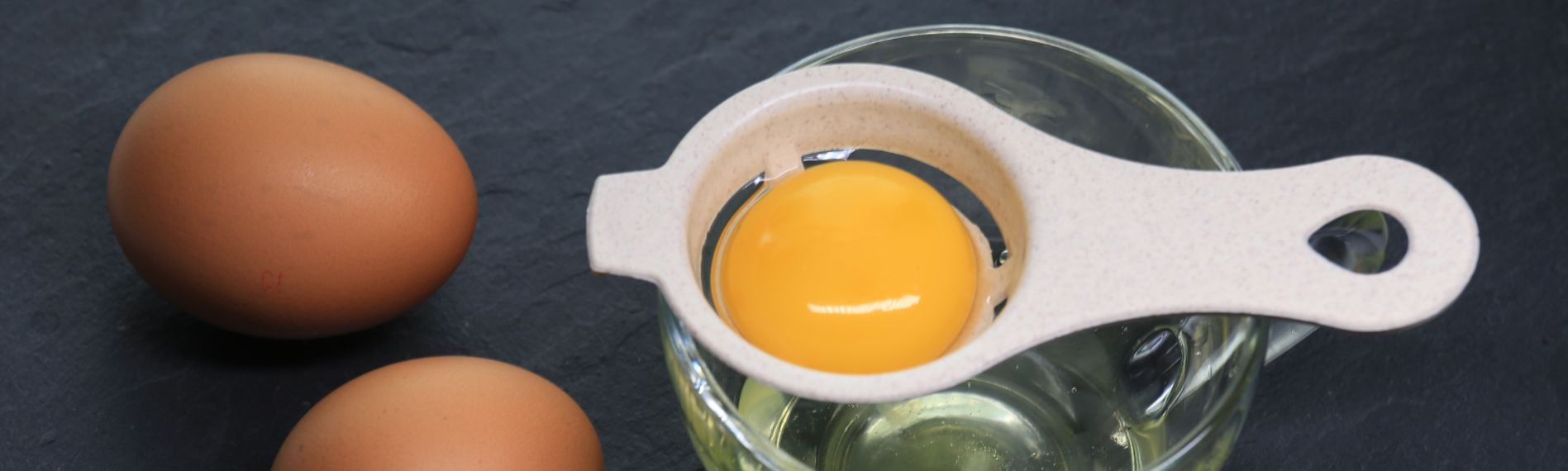
Egg yolks are the foundation of crème brûlée. Their proteins unfold and bond when gently heated, which helps thicken the cream into a custard.
If the temperature rises too quickly, the proteins tighten and curdle. If the heat is too low, the custard won’t fully set. :) So fun!
The goal is a quiet transformation:
• proteins slowly linking together
• cream thickening without scrambling
• a custard that holds its shape while remaining soft
When done properly, the result is not firm like pudding, but delicate enough to tremble slightly when the ramekin is moved.
Why Cream Matters
Cream does more than add richness. Its fat content softens the network formed by egg proteins, creating the signature silky texture.
Without enough fat, the custard can feel rigid or grainy. With balanced cream, the texture becomes smooth and almost weightless.
In essence, the cream cushions the structure created by the eggs, allowing the custard to feel luxurious rather than dense.
The Gentle Heat of the Water Bath
Crème brûlée is traditionally baked in a bain-marie, or water bath. This method surrounds the ramekins with hot water, moderating the heat of the oven.
Water cannot exceed its boiling point easily, which prevents the custard from cooking too aggressively.
This controlled environment allows the custard to set evenly from edge to center, preserving the smooth texture that defines the dessert.
Without this step, the outer edges may overcook before the center finishes setting.
The Transformation of Sugar
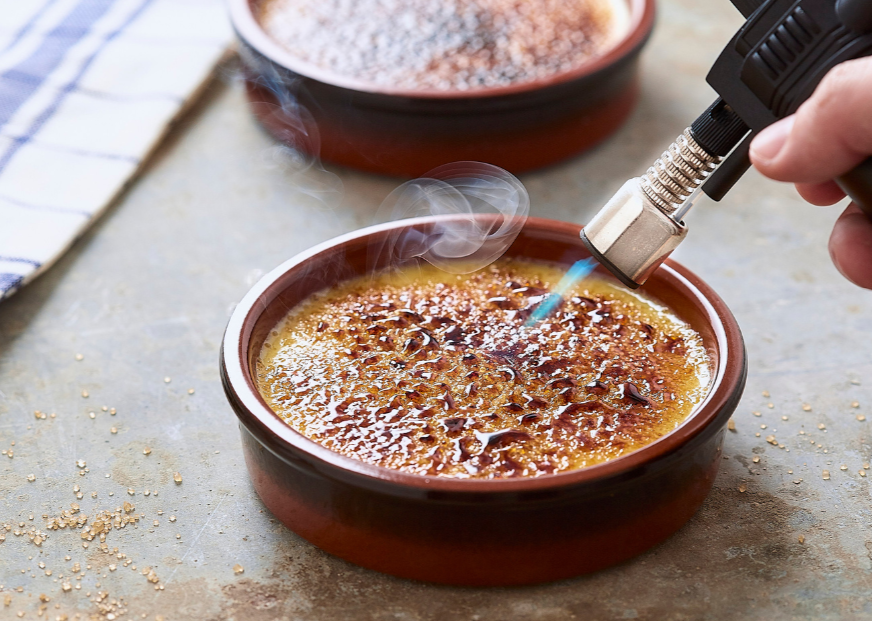
The brûlée topping is where chemistry becomes visible.
When sugar is exposed to intense heat from a torch, it melts and undergoes caramelization. The molecules break down and reorganize, forming hundreds of new flavor compounds.
These compounds create the bittersweet depth and amber color that define caramel.
As the melted sugar cools, it hardens into a thin glass-like layer. This fragile crust is what produces the satisfying crack when tapped with a spoon.
Texture: The True Measure of Success
A perfect crème brûlée is not judged by sweetness alone, but by texture.
The custard should be:
• smooth and uniform
• rich yet light on the palate
• softly set without stiffness
Achieving this balance requires restraint. Too much heat disrupts the custard’s structure, while too little leaves it incomplete.
Precision, rather than complexity, defines the craft.
The Atelier Approach
At Atelier Anlynette, the process respects both tradition and patience. Cream is warmed gently before meeting the egg yolks. The custard is baked slowly in a water bath until just set. The sugar crust is torched only moments before serving.
Each step protects the delicate chemistry that gives crème brûlée its signature texture.
Because when science is treated with care, simplicity becomes something extraordinary.