How to Start Selling at Orange County Farmers Markets: A Step-by-Step Guide
Selling your homemade desserts at farmers markets can be an exciting way to connect with your community, build your brand, and test new products. But if you’re not a prepackaged food company (ie. cookies, bread, jams), it takes planning, effort, and the right licenses. Here’s how Atelier Anlynette navigated the process and how you can too.
1. Understand the Rules for Your Food Type
If your desserts are made fresh and not prepackaged, like our crème brûlée, you’ll need to meet health department regulations. This usually means:
Producing food in a licensed commercial kitchen
Following strict food safety and sanitation rules
Labeling ingredients and allergens correctly if needed
In Orange County, food regulations can vary by city, so be sure to check with your local city’s health department for the exact requirements before getting started.
2. Find a Licensed Commercial Kitchen
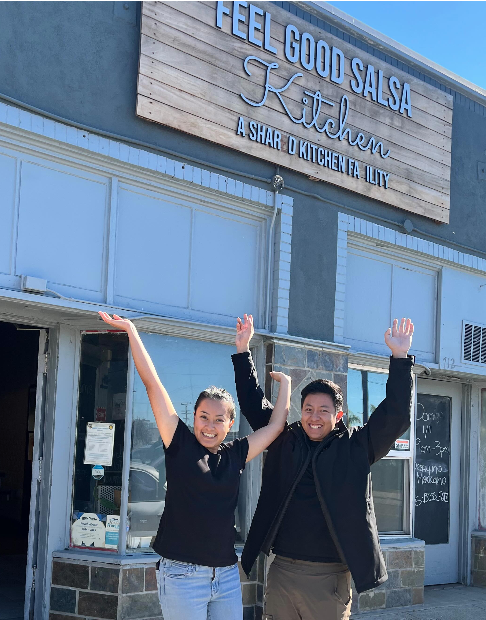
Selling at farmers markets as a non-prepackaged food vendor means you cannot bake in a home kitchen. You’ll need access to a commercial kitchen. Here are our tips for finding one:
Look for shared-use commercial kitchens or incubators designed for small businesses.
Tour kitchens to ensure they have the space and equipment you need. We emailed and toured several. Be mindful of additional costs like fridge space and dry storage space.
Confirm the kitchen’s license is current and accepted by your local health department.
Signing with a commercial kitchen allowed us to scale our production while maintaining the quality and artistry of our desserts.
3. Apply to Farmers Markets
Once your kitchen is ready, it’s time to apply for market booths:
Research markets that fit your target audience. We recommend considering foot traffic, demographics, and competition. We went to the farmers markets before applying to scope this out!
Complete vendor applications early; popular SoCal markets often have long waitlists.
Prepare documentation: business license, health permit, proof of insurance, and photos of your products.
4. Prepare Your Menu and Presentation
Farmers markets are as much about visual appeal as taste. Tips for standing out:
Offer a limited menu that you can produce consistently.
Focus on Instagrammable presentation because customers love sharing unique desserts online.
Have tasting samples if the market allows, but always follow health regulations.
At Atelier Anlynette, our live torched crème brûlée draws crowds because it is both interactive and visually stunning.
5. Plan Logistics
Running a market booth requires planning:
Transport: Ensure desserts travel safely without damage.
Setup: Bring tables, signage, displays, and utensils.
Staffing: If your desserts are interactive, like crème brûlée, having an extra pair of hands is crucial.
6. Engage and Create Memories
What sets your booth apart isn’t just the dessert—it’s the experience:
Talk to customers about your ingredients and process.
Invite them to watch, ask questions, and interact with your creations.
Create moments they’ll remember and share online.
This is what Atelier Anlynette is all about—turning dessert into a memorable, interactive experience, not just a quick bite.
7. Scale and Expand
Once you’ve established yourself at one market, you can expand to others, introduce catering, and grow your brand. Farmers markets are the perfect testing ground for ideas that can later evolve into weddings, private events, and interactive dessert experiences.
Bottom Line: Selling at farmers markets in Orange County as a handmade dessert company takes work, but the payoff is huge. You get direct customer feedback, build community, and lay the foundation for bigger experiences, like our live crème brûlée catering.